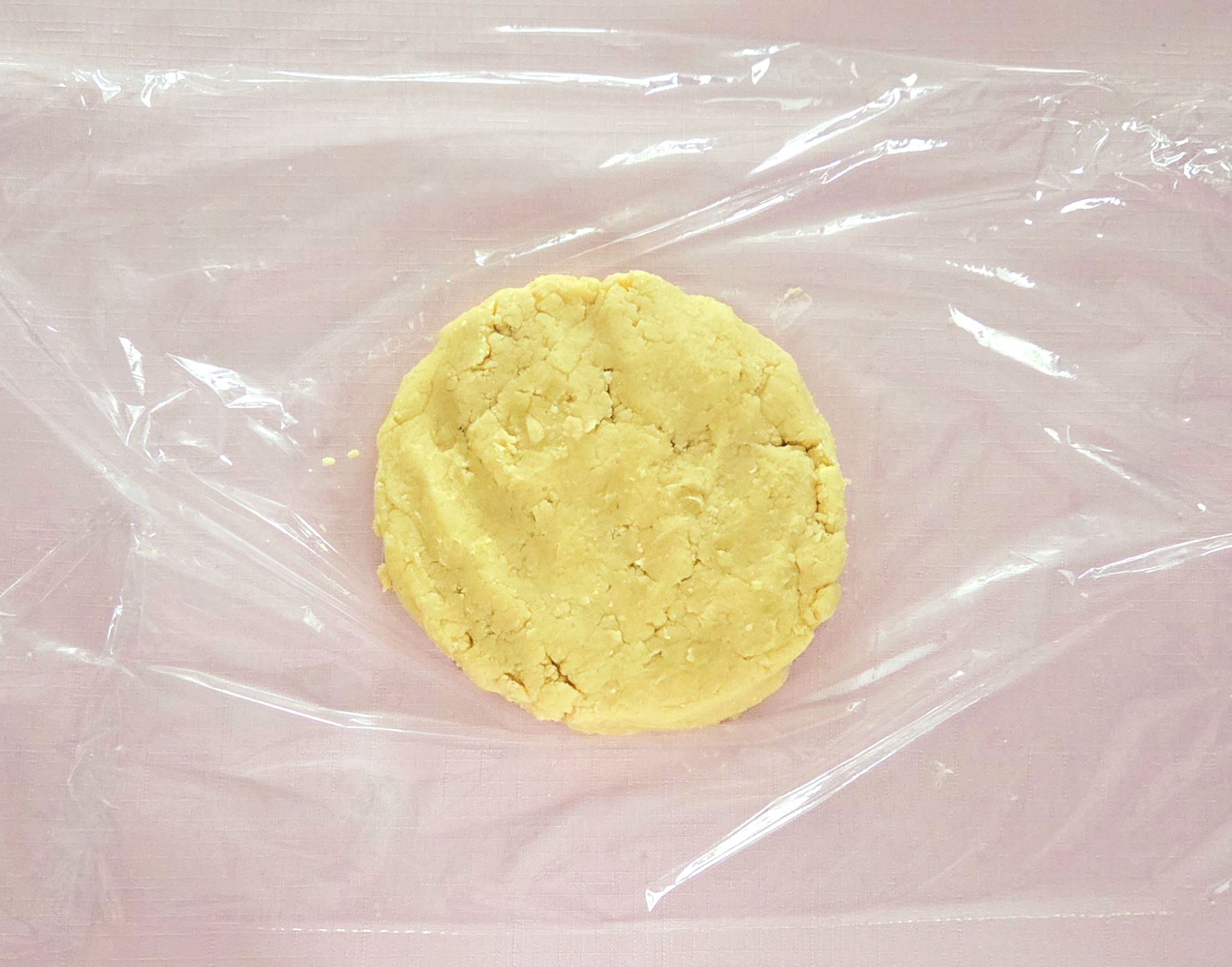
It’s always baffled me how uncommon the tart is in the US. Tarts are like pies that have received a fancy upgrade. Fruit tarts, chocolate tarts, caramel walnut tarts, raspberry almond tarts, custard tarts, tarte tatin, treacle tarts, the list goes on and on. They’re just as versatile as pies, and in my opinion, even easier to make! And why? Because tart dough is essentially just cookie dough that’s been flattened out and pressed into a mold. No fussing over keeping everything cold, trying to achieve the perfect flaky texture.
Pâte sucrée sounds incredibly bougie, but is really just French for “sweet dough.” That’s all it is, a simple sweet dough that mimics the texture of a delicate shortbread. Impress your friends and family with a tart or tartlets at your next dinner party, Sunday picnic, bridal shower, or monthly hangout.

FAQs and Science
What would you use pâte sucrée for?
Pâte sucrée is a buttery dough, similar to shortbread, used primarily for tarts or tartlets. You could also bake it off like cookies, but it’s not my favorite thing.
Why use cake flour, not all-purpose?
Cake flour has a lower protein percentage than all-purpose flour, yielding a more tender final product.
Is there a way to quickly soften butter?
Yes, there is! I’ve seen a few different hacks for this, but I prefer just a good old-fashioned gentle heating in the microwave. Place it unwrapped on a plate and heat it for 8-10 seconds. Flip the butter over. Heat for another 8 seconds, flip the butter on its side. Heat for 8 seconds more, flip it over once again and heat for 8 seconds.
If you find that the butter is soft before you’ve done all of the flipping around and heating intervals, then just stop heating and use it! If it ends up being slightly melted, do not panic. Just scrape it into the mixer using the rubber spatula and keep moving forward.
Does it really matter if the egg is room temperature? How can I do it fast?
The temperature of the egg matters, I promise. Having every ingredient at the same temperature makes it easier for them to emulsify. To warm your egg up quickly, place it in a small bowl at the beginning of the recipe. Cover it with the hottest water that comes out of your tap. By the time you’re ready to use it, it’ll be at the perfect temperature.
I added the egg and my mixture looks curdled after trying to beat the egg in. Did I do something wrong? Can I fix it?
You did nothing wrong, remain calm! This curdled appearance is happening because of the ratio of egg to butter mixture. There’s more egg than the butter wants to handle (this is exactly why it’s recommended that you only add in eggs one at a time in other recipes). Take a breath, do the best you can to force the butter to accept the egg, and add in the dry goods. Everything will be okay.
Can this dough be frozen?
Yes, pâte sucrée freezes beautifully! Follow the recipe all the way through, then place the tightly wrapped dough into a freezer-safe bag. Put that bag into the freezer and keep it there for up to 3 months. Place it into the fridge the night before you’d like to use it, to gently thaw.
What You’ll Need

- Stand mixer fitted with paddle attachment
- Plastic wrap
- Dry measuring cups
- Measuring spoons
- Whisk
- Rubber spatula
- Sieve or sifter
The Process
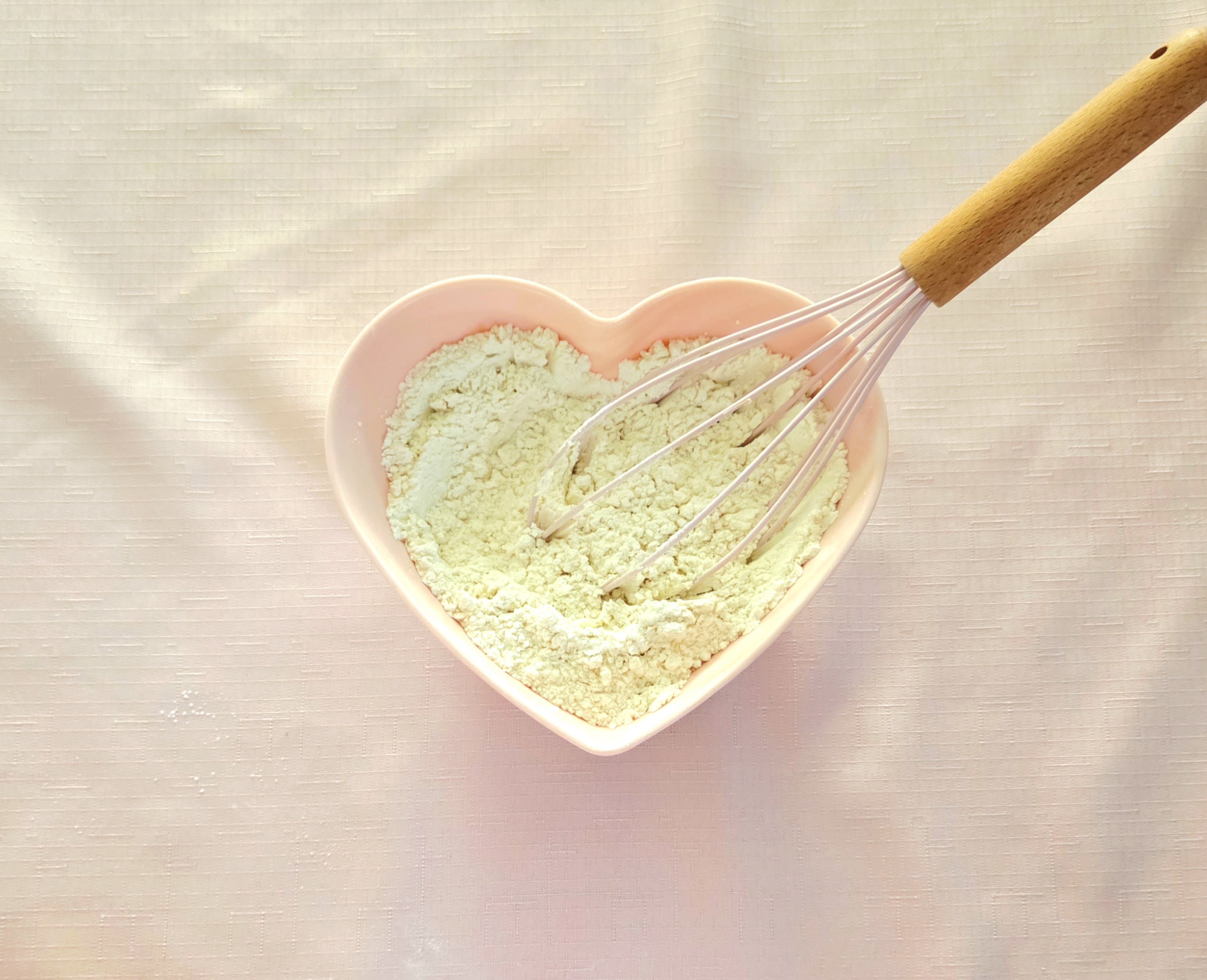
Start with the dry goods. Yes, even with this small amount, I’m still asking you to whisk them together ahead of time. It takes 15 seconds and makes sure the salt will be evenly distributed throughout the dough in the end. Sue me. In a small mixing bowl, whisk together the flour and salt. Set this aside.
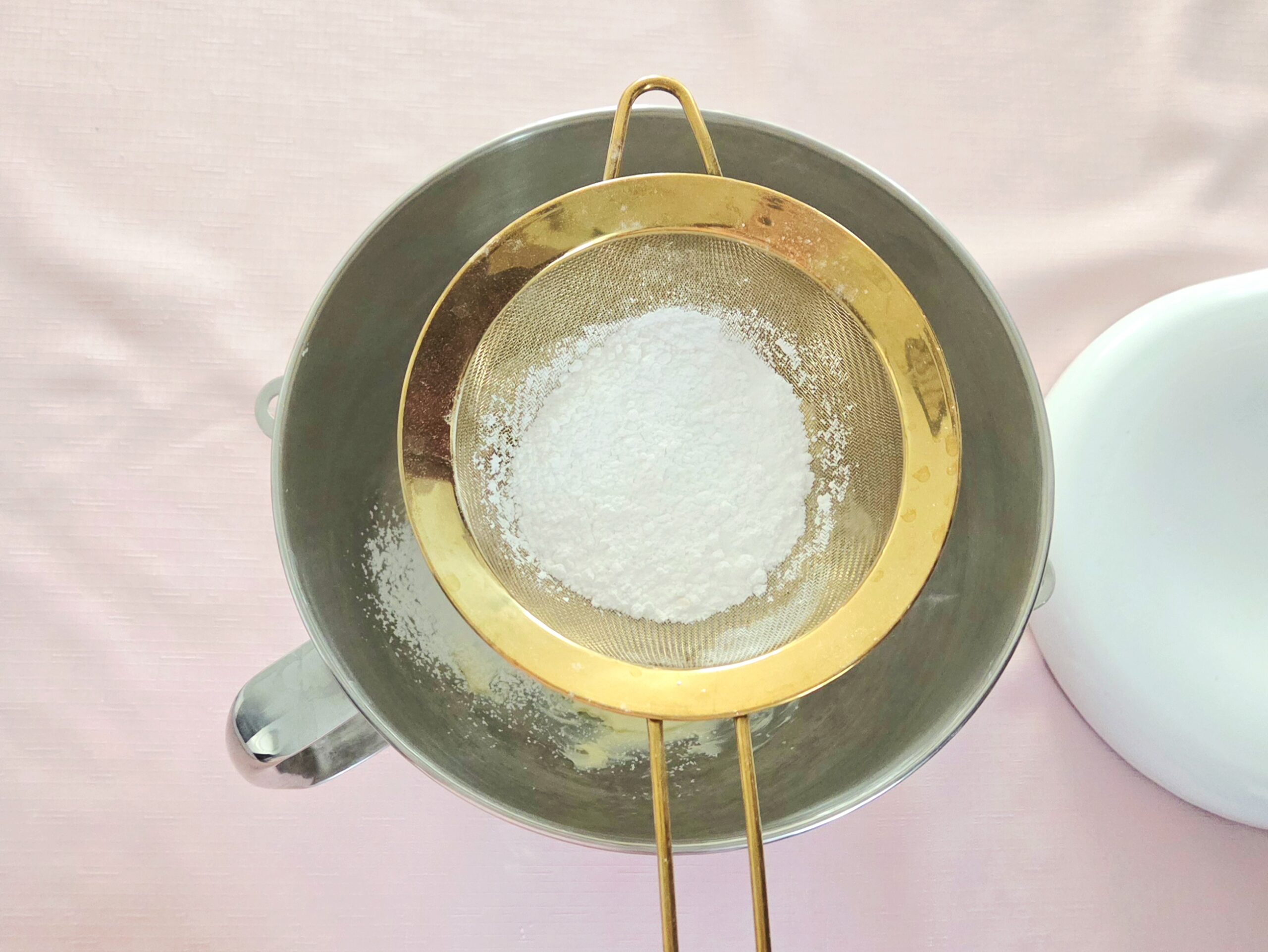
In the bowl of a stand mixer fitted with the paddle attachment, sift the powdered sugar. Sifting the sugar now just gets out any big clumps. If you choose to skip this step, those clumps won’t be worked out in the mixer, they just end up in the final dough. It’s worth the extra 20 seconds to get them out now.
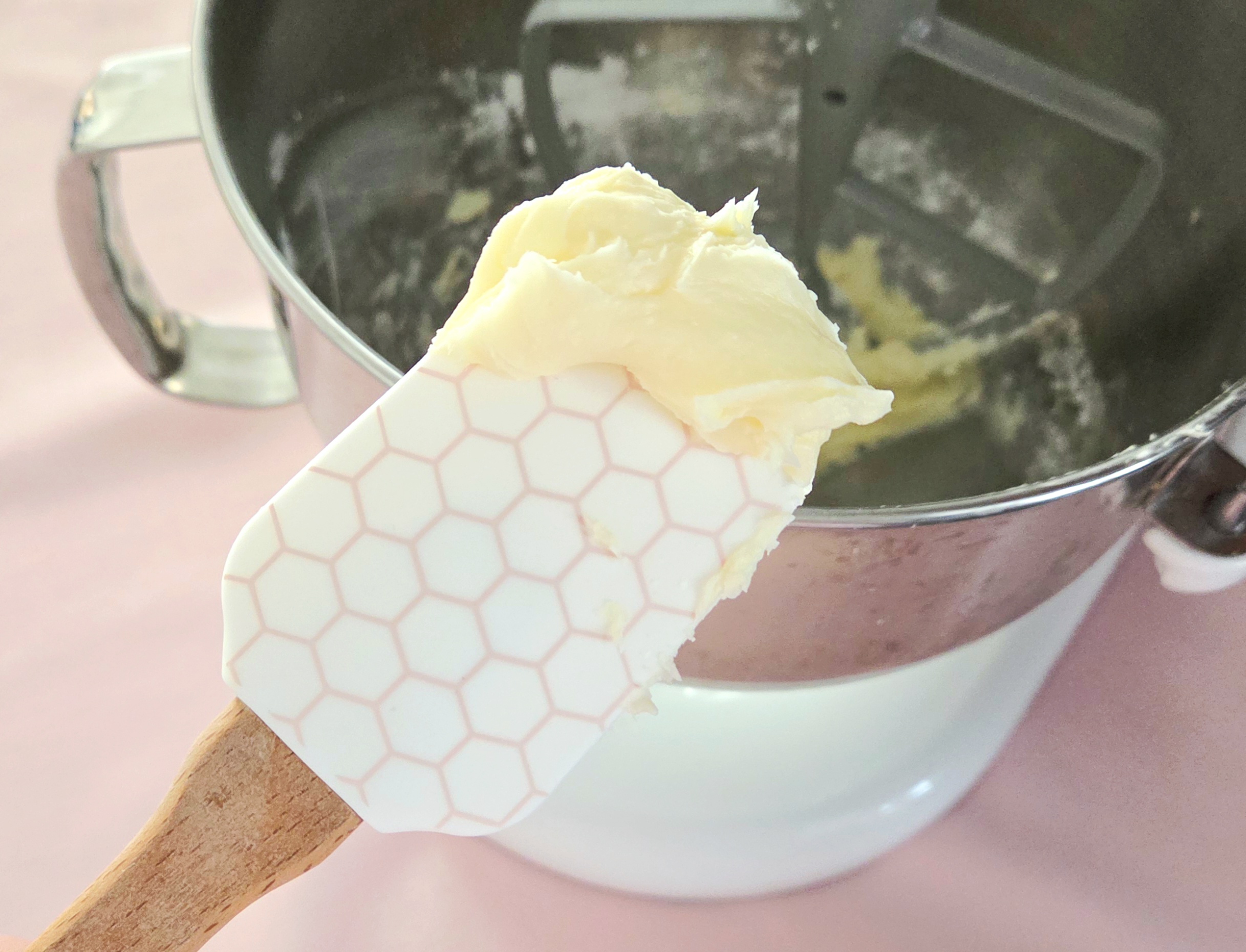
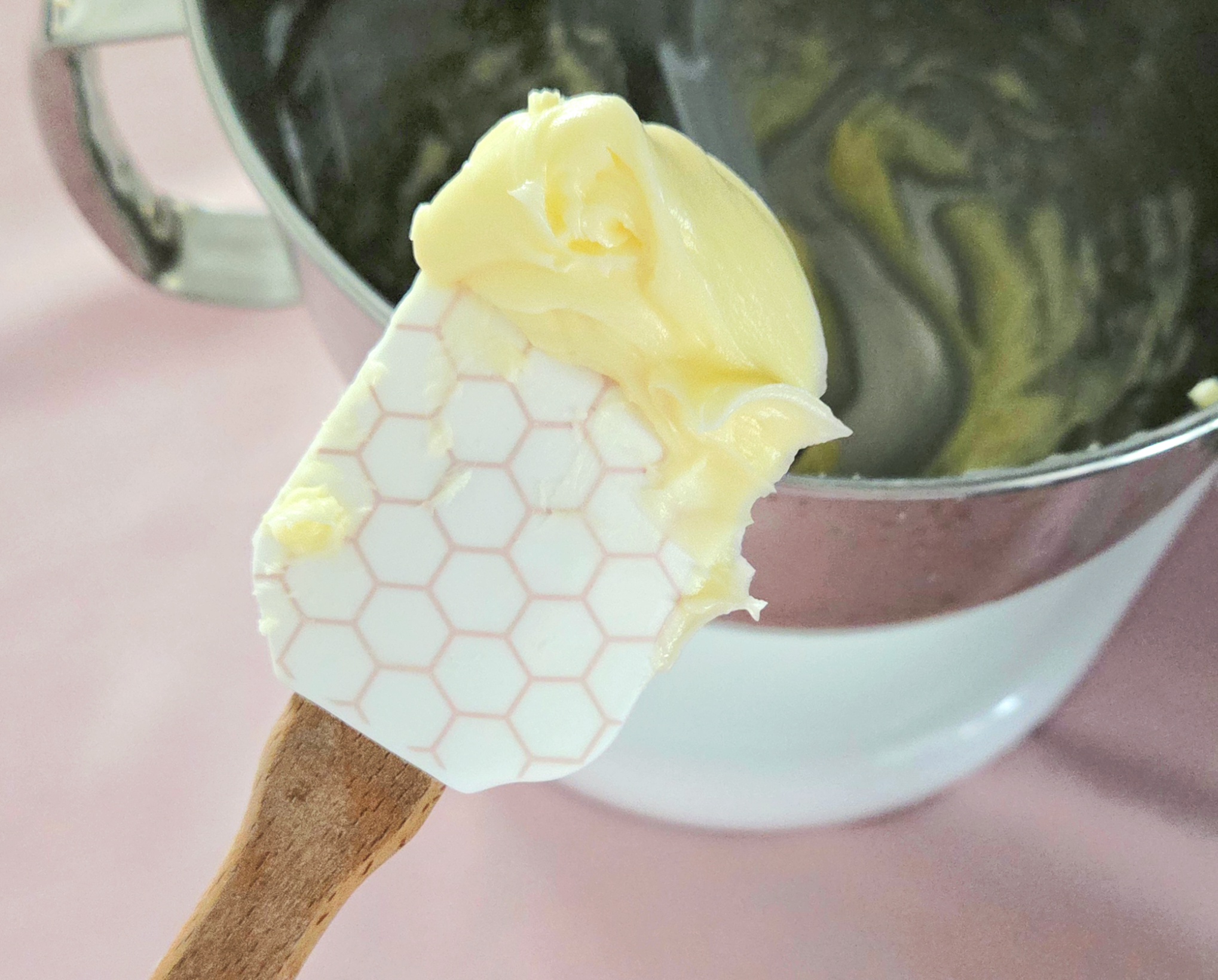
Add in the softened butter and beat them together on level 3 for 4-5 minutes, or until it’s very light and creamy. I find the difference in color between combined butter and sugar vs properly creamed butter and sugar isn’t nearly as dramatic with powdered sugar, so the texture is a better tell. Trust the process, and use the pictures here for reference if you’re unsure.
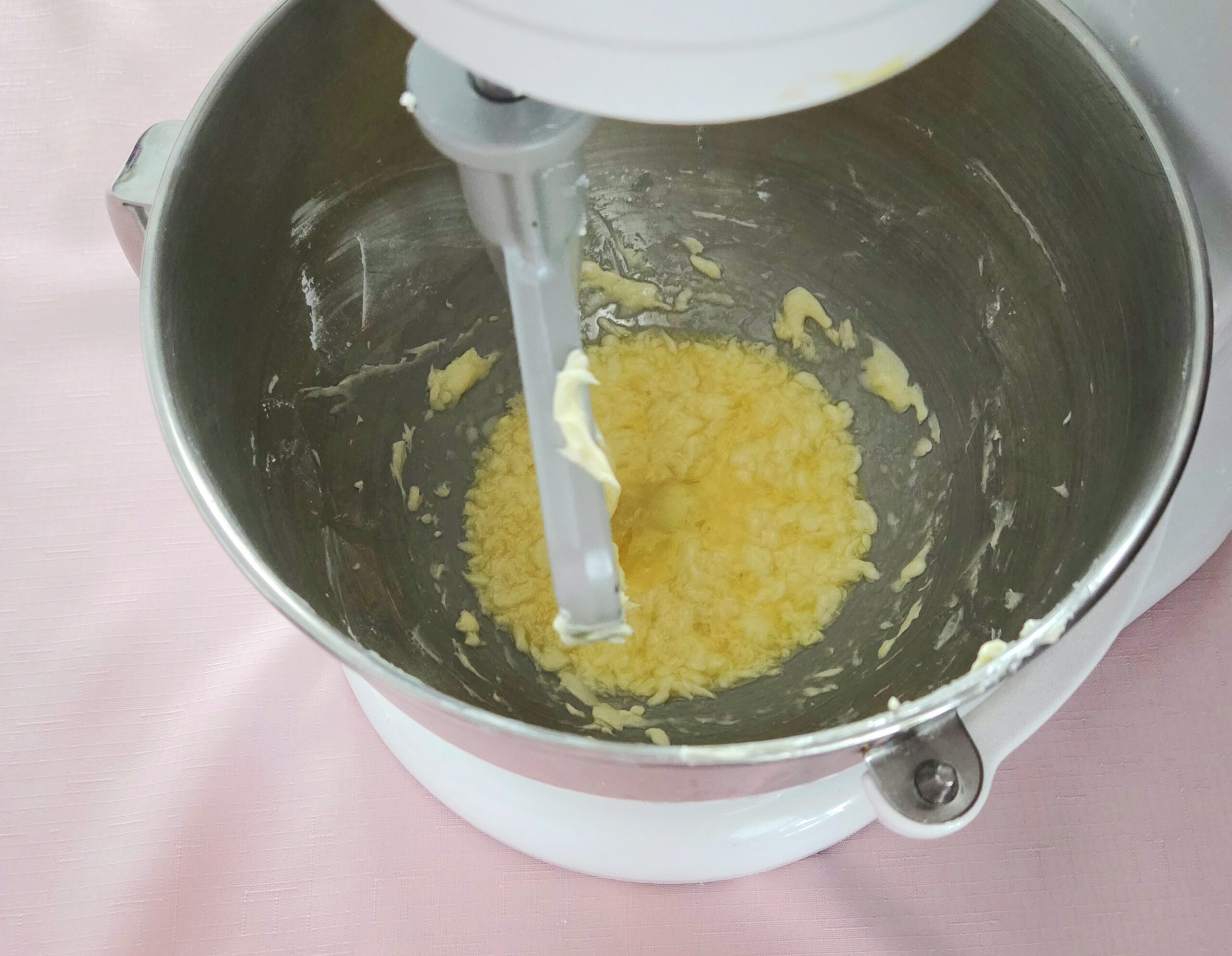
Using a rubber spatula, scrape down the sides of the mixing bowl. Add in the room temperature egg and turn the mixer back on to level 3 for 1-2 minutes, or until the egg absorbs. With the ratio of egg to creamed butter, it’ll be difficult for the butter mixture to completely absorb the egg. Because of this, it may appear curdled and unpleasant. Do not panic! Just keep moving forward with the recipe. Once the flour is tossed into the mix, it will become a beautiful dough and all will be well.
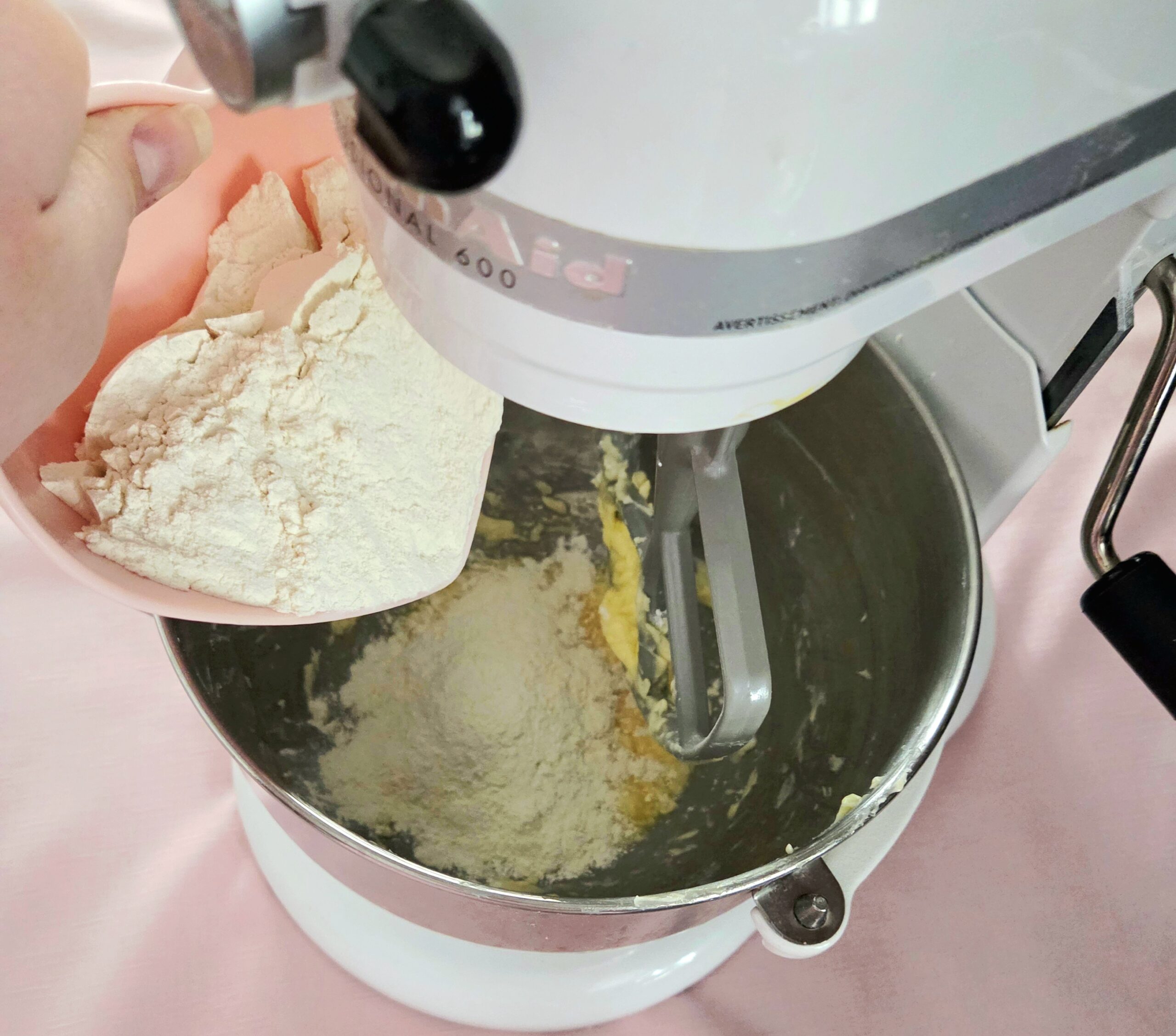
Pour in the dry mixture all at once and turn the mixer to level 1 for 1 minute, or until there are no more dry streaks. Do not over-mix. An over-mixed dough runs the risk of being tough and difficult to cut through once it’s baked. So once that flour disappears, just turn the mixer off.
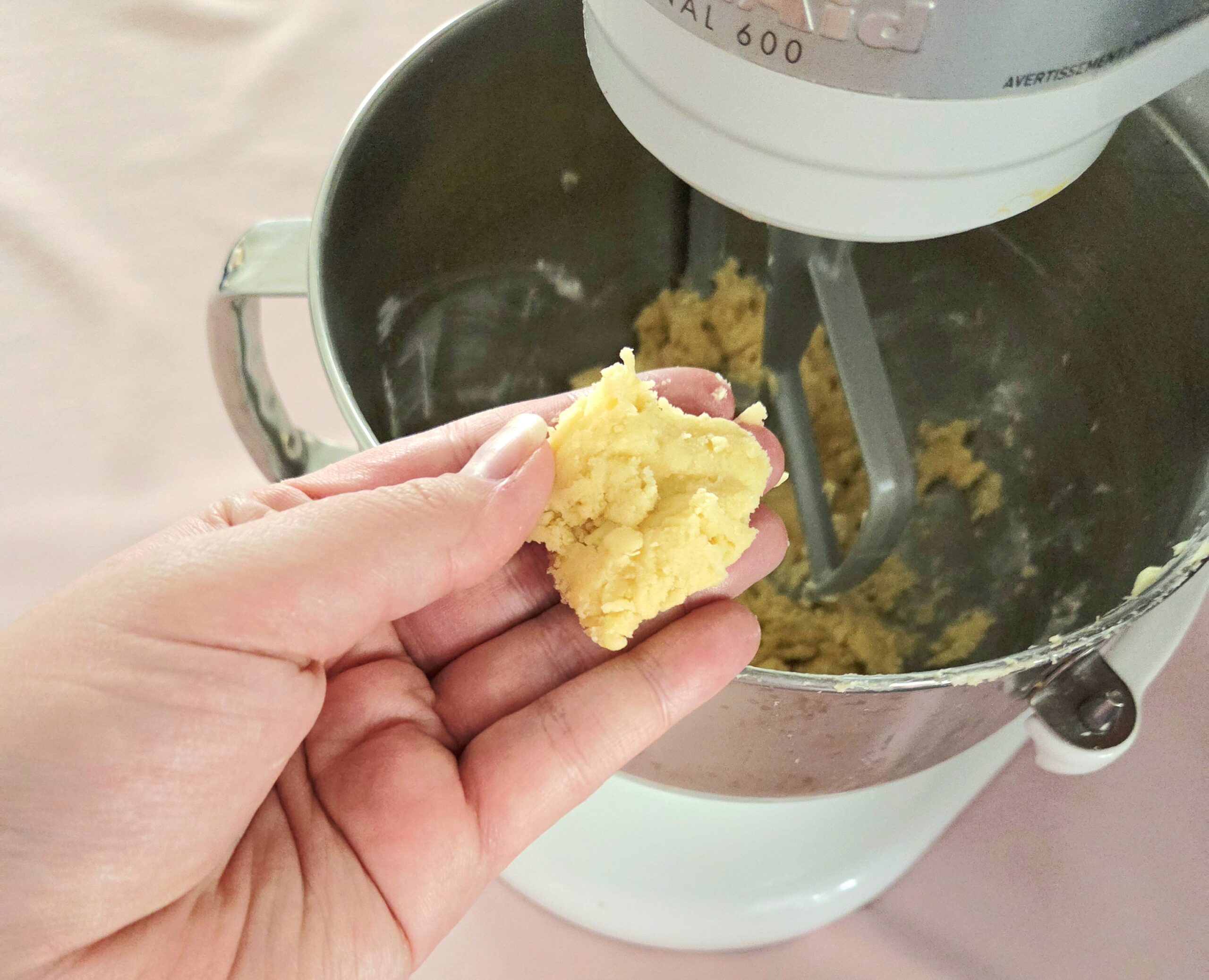
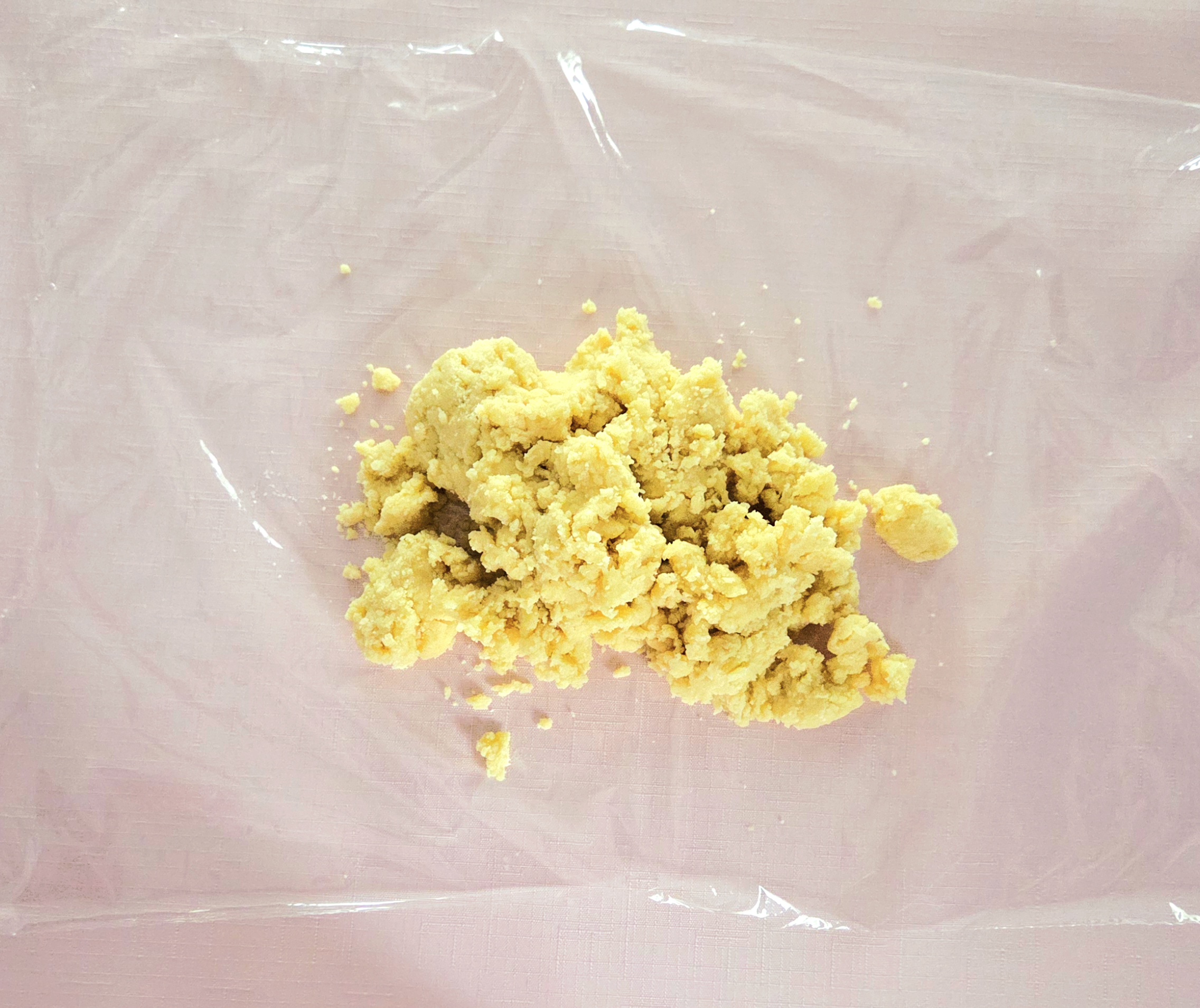
Lay out a large sheet of plastic wrap and dump all of the dough onto it, taking care to scrape down the paddle and the sides of the bowl. Gently pat it onto a circle between ½-1 inch thick and wrap it in the plastic so it’s airtight. Place the dough in the fridge for a minimum of 1 hour, or up to 2 days. If you’d like, you could also freeze the dough at this point to pull and use at a later time.
Pâte Sucrée
Makes Dough for One 9-inch Tart
Total Time: 1 hour 30 minutes
Prep Time: 30 Minutes
Ingredients
- 6 Tablespoons unsalted butter
- ⅓ cup powdered sugar
- 1 large egg, room temperature
- 1 ⅓ cup cake flour
- ¼ teaspoon salt
Directions:
- Begin by combining the dry goods. In a small mixing bowl, whisk together the flour and salt. Set this aside.
- Cream together the butter and powdered sugar. In the bowl of a stand mixer fitted with the paddle attachment, sift the powdered sugar. Add in the softened butter and beat them together on level 3 for 4-5 minutes, or until it’s very light with a creamy texture.
- Using a rubber spatula, scrape down the sides of the mixing bowl. Add in the egg and turn the mixer back on to level 3 for 1-2 minutes, or until the egg absorbs (see the FAQs and Science Section if it looks curdled).
- Pour in the dry mixture all at once and turn the mixer to level 1 for 1 minute, or until there are no more dry streaks. Do not over-mix it.
- Lay out a large sheet of plastic wrap and dump all of the dough onto it, taking care to scrape down the paddle and the sides of the bowl. Gently pat it onto a circle between ½-1 inch thick and wrap it in the plastic so it’s airtight. Place the dough into the fridge for a minimum of 1 hour, or for up to 2 days.
Tips
- Pâte sucrée can be frozen! Complete the recipe as instructed, then place the tightly wrapped dough into a freezer-safe bag and freeze it for up to 3 months. The night before you’d like to use it, place the dough into the fridge to gently thaw it out.


0 Comments