

I’m not going to lie, the inspiration for creating this recipe came from seeing the movie The Secret Life of Walter Mitty. Along with infusing me with a new dose of wanderlust to go visit Iceland someday, I really wanted a piece of that clementine cake Walter’s mom baked. I’m not even typically a big citrus person! I’m a decadent chocolate, peanut butter, and caramel kind of girl, but it just looked that good. There’s a reason Walter was able to barter so well with it. I can honestly say, creating this recipe didn’t disappoint in the slightest.
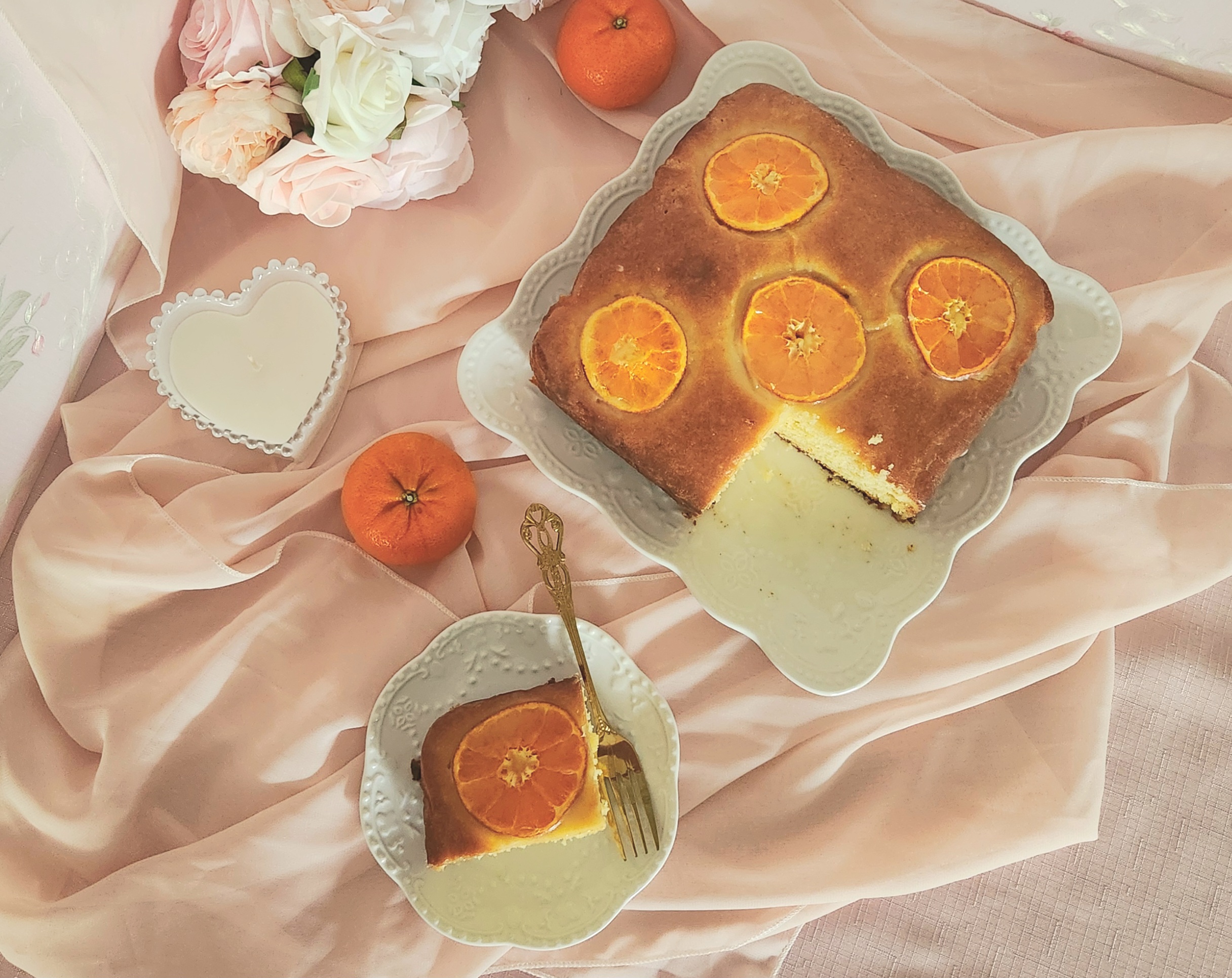
This cake is so soft, a little tangy from the yogurt, just the right amount of sweet, and absolutely bursting with clementine flavor all around. I didn’t want the clementine to be subtle, I wanted it to really smack you in the face. There’s nothing more disappointing than grabbing a baked good that looks absolutely incredible, but then it tastes like nothing. Between the zest, the fresh squeezed juice, the slices on top, the simple syrup, and the glaze, there’s nowhere for that flavor to hide. The perfect Spring or Summertime dessert.
FAQs and Science
What is the simple syrup for? Wont it make the cake soggy?
The simple syrup is there to help keep the cake moist for a longer period of time! It wont make the cake soggy, it will only help with the soft texture. This is a very old cake trick used by professionals everywhere to extend the fresh lifespan of the cake.
Can I substitute the cake flour with all purpose flour?
If cake flour isn’t available or is out of your price range, just use the all purpose. To help counteract the extra protein in all-purpose flour, skip the final 30 second beating of the batter. That way, less gluten will develop and your cake wont be as tough. Don’t expect it to be quite as soft and tender as it would be if it was made with cake flour, but it will still be delicious.
Why allow the zest to sit in the sugar for 5 minutes?
The sugar will draw out the natural oils of the clementine zest, which will intensify the flavor it gives to the cake.
How do I zest a clementine?
I like to use the Martha Stewart method, since it’s easier to see what’s going on with the fruit that way. Take your microplane or fine grater and drag it along the outside peel of the clementine in short bursts, shaving off the orange part of the peel and avoiding the white pith underneath. Turn the clementine as you need to. The zest will collect on top of your tool of choice, simply dump it into the sugar every so often.
Why should I avoid that white stuff when I’m zesting?
The white pith beneath the zest is incredibly bitter. It wont add good flavor to your cake, only sadness because no one wants a bitter cake. Don’t do it.
Can I use a lower fat sour cream or yogurt?
I wouldn’t recommend it, the fat is necessary for a better flavor and the soft texture of the cake.
Do I have to include the sliced clementine on top?
Nope, I just think it looks pretty that way! It’s a garnish more than anything else, so feel free to leave it out.
If I choose to include the sliced clementine on top, should I peel it first?
No. I’ve found that whenever I’ve tried to bake this cake without the peel on the garnish slices, they end up sinking into the cake rather than staying pretty on top. Not pleasant visually or to eat. Keep the peel on, I just strip it off the baked slice as I’m eating it.
What You’ll Need

- 8×8 baking dish
- Parchment paper
- Nonstick baking spray
- Dry measuring cups
- Wet measuring cup
- Measuring spoons
- Stand mixer with a paddle attachment
- Medium mixing bowl
- Small mixing bowl
- Whisk
- Rubber spatula
- Citrus reamer or squeezer
- Microplane
- 1-2 qt saucepan
- Chef’s knife
- Cutting board
- Sieve or sifter
- Large spoon
- Cooling rack
The Process
Prepare the Batter
Making a cake with multiple components can feel like an overwhelming or intimidating process, but don’t panic. Take a breath, and take it one step at a time. You can do this, and do it well. We’re here to bake for fun! Begin with the cake batter.
Preheat the oven to 325, on the convection setting if possible, and prepare an 8×8 baking dish. Line the bottom and up two sides of the dish with parchment paper, with enough to extend 1-2 inches above the top of the pan. The parchment will prevent the cake from sticking to the pan, which makes it much easier to release at the end.
Coat the two unlined sides with nonstick baking spray. In a small mixing bowl, whisk together the sugar and clementine zest, and allow that to sit for 5 minutes. The sugar draws out the oils of the zest, which will intensify the flavor in the cake. I highly recommend doing this whenever baking with any kind of citrus because of the massive flavor boost, just be careful to avoid the pith (the white part). The pith is incredibly bitter and that bitterness is all it has to offer.


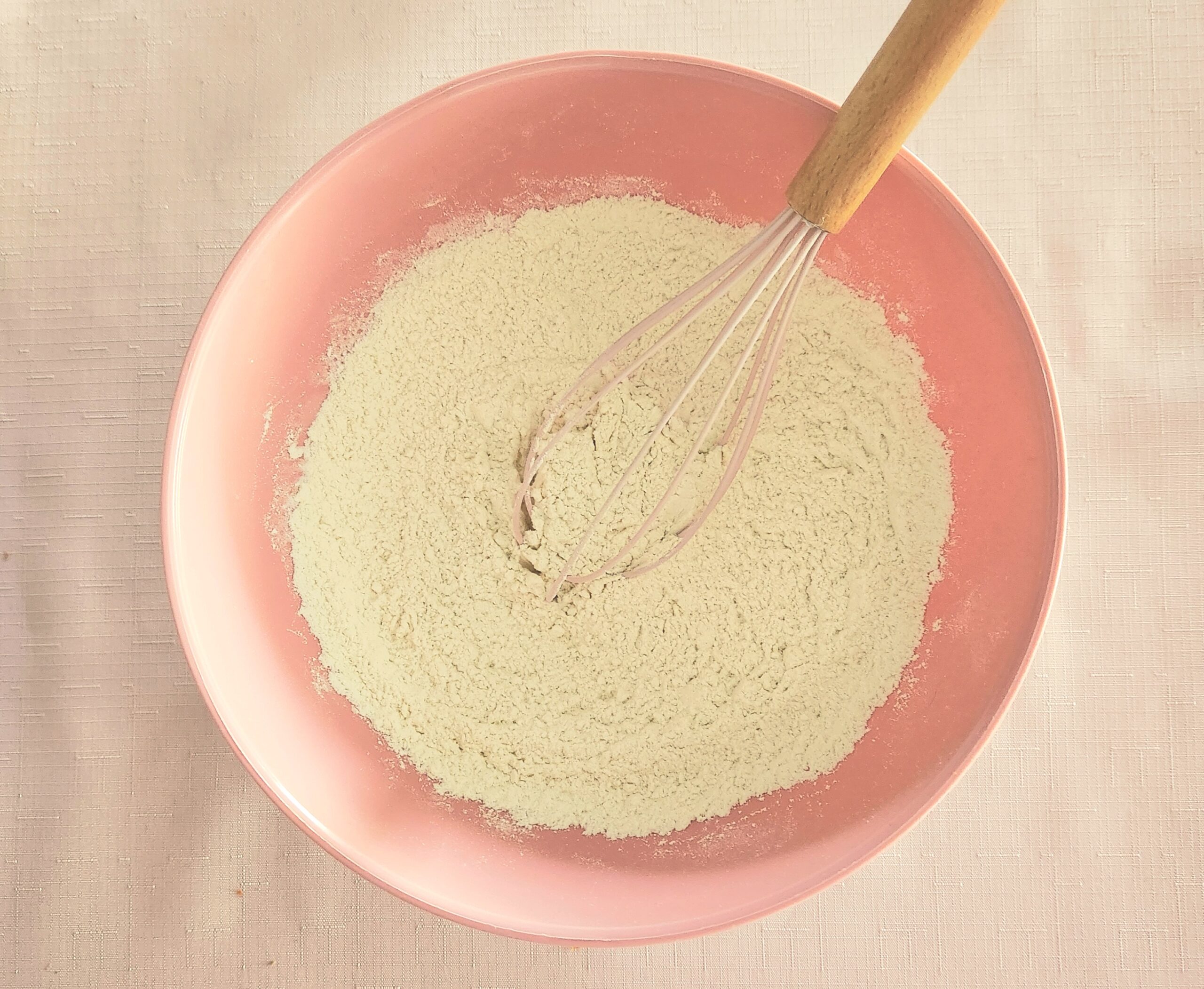
While the clementine sugar sits, sift the flour into a medium mixing bowl. Sifting the flour gets any lumps out and gives the cake a slightly lighter texture in the end. It’s worth the extra minute it will take you to do, trust me. Add the baking powder and salt, and whisk them together. Set this bowl aside.
Slice 4 clementines in half and, using a citrus reamer or citrus squeezer, squeeze fresh clementine juice into a liquid measuring cup until you reach ½ cup, then set this aside. If 4 isn’t enough, slice a 5th one and squeeze in enough juice to reach ½ cup. Even if you do somehow find bottled clementine juice, it’s always better to squeeze citrus juice freshly yourself. The flavor is more intense and true to the fruit.

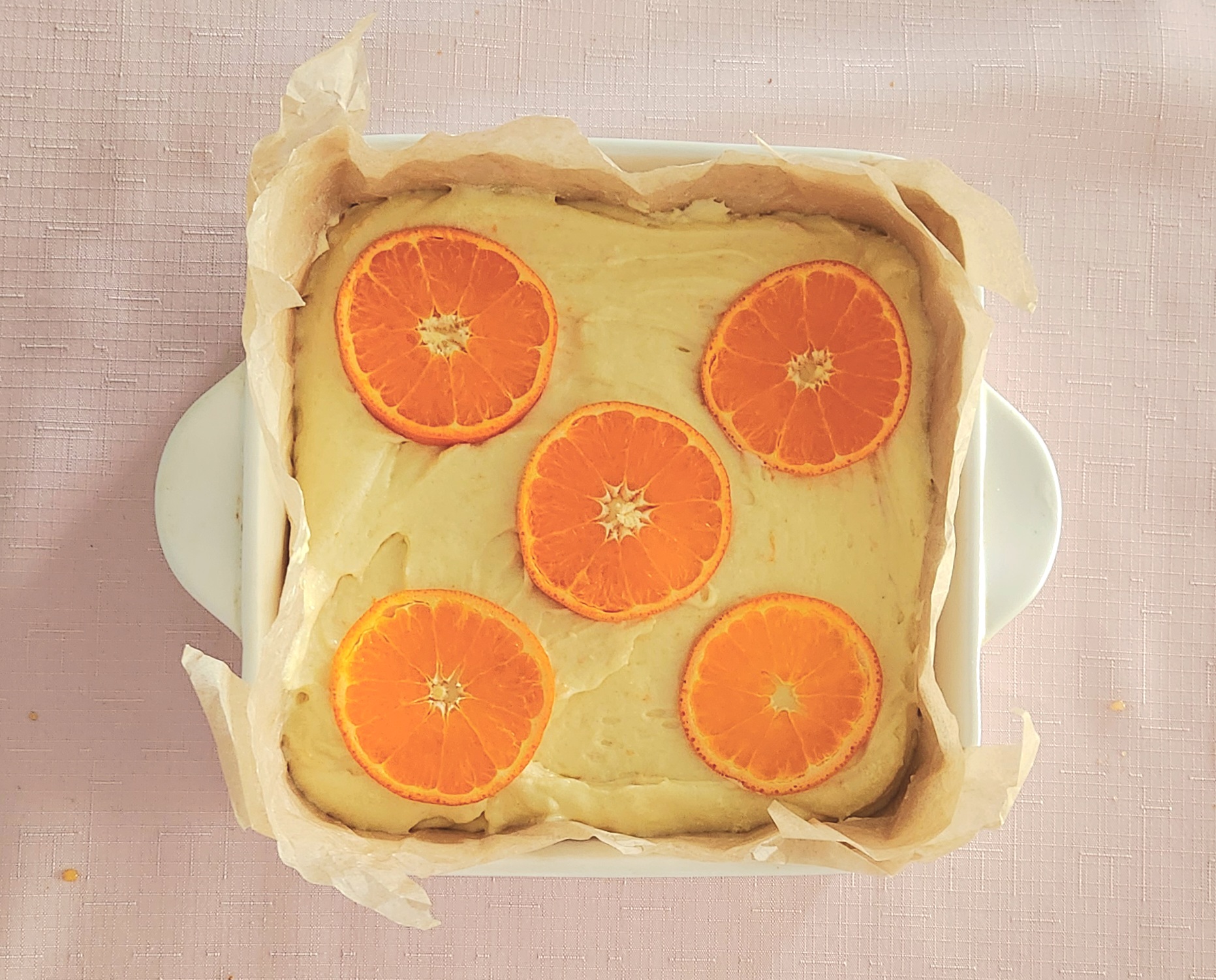
Slice 1 clementine into ⅛ inch discs, keeping the peel attached. When I was developing this recipe, I tested out peeling the sliced clementine garnish before baking everything. It ended up sinking into the cake. So while the peel may not be the most delicious part of the clementine, it’s necessary for buoyancy. Alternatively, you’re free to leave the slices off altogether! As the captain of your cake, it’s entirely up to you. If you are going to include the garnish though, shoot for at least 5 slices. Set these aside for the end.


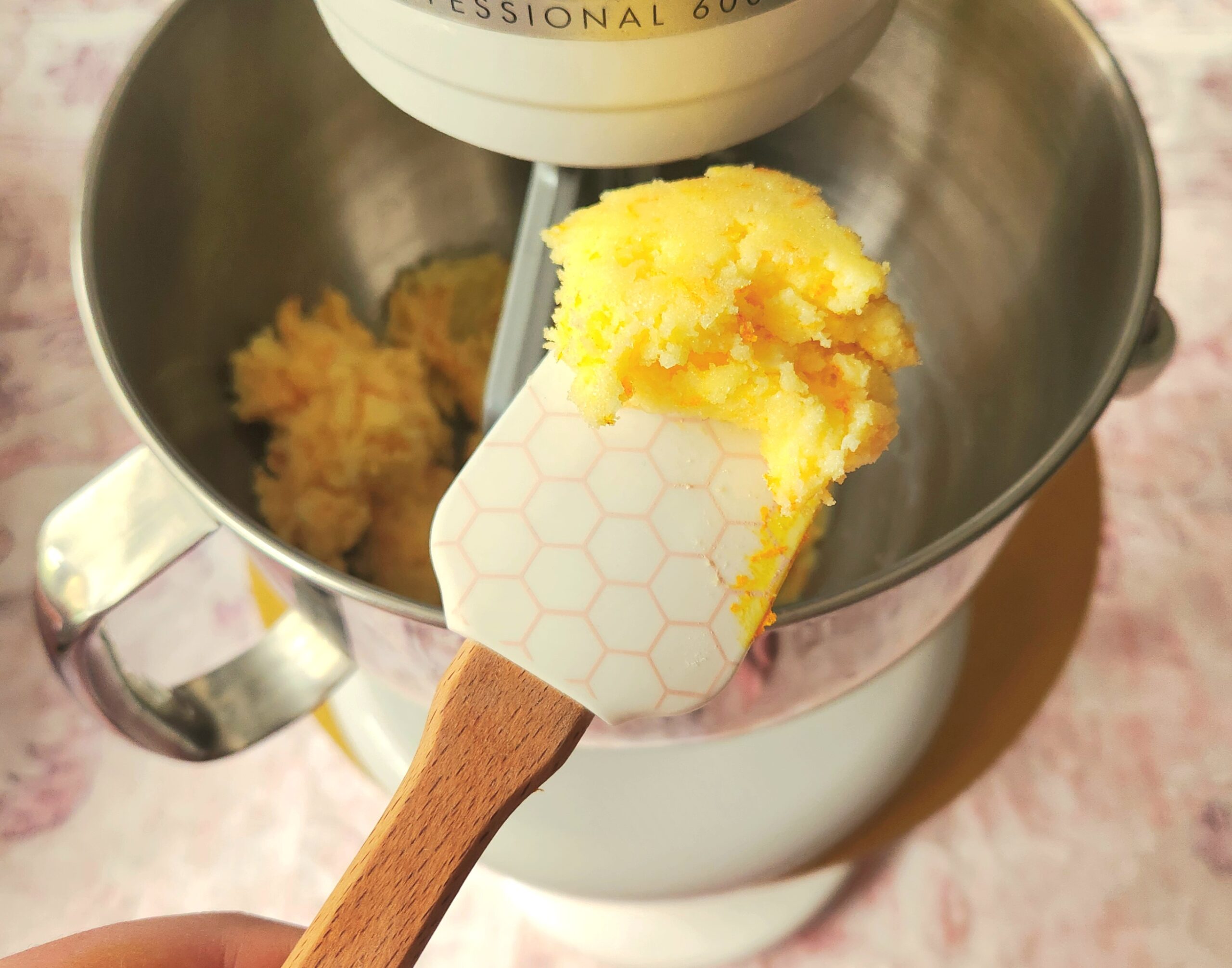
In the bowl of a stand mixer, using the paddle attachment, cream together the butter and clementine sugar on level 3. This should go from orange in color to pale yellow and very fluffy, taking about 4-5 minutes.
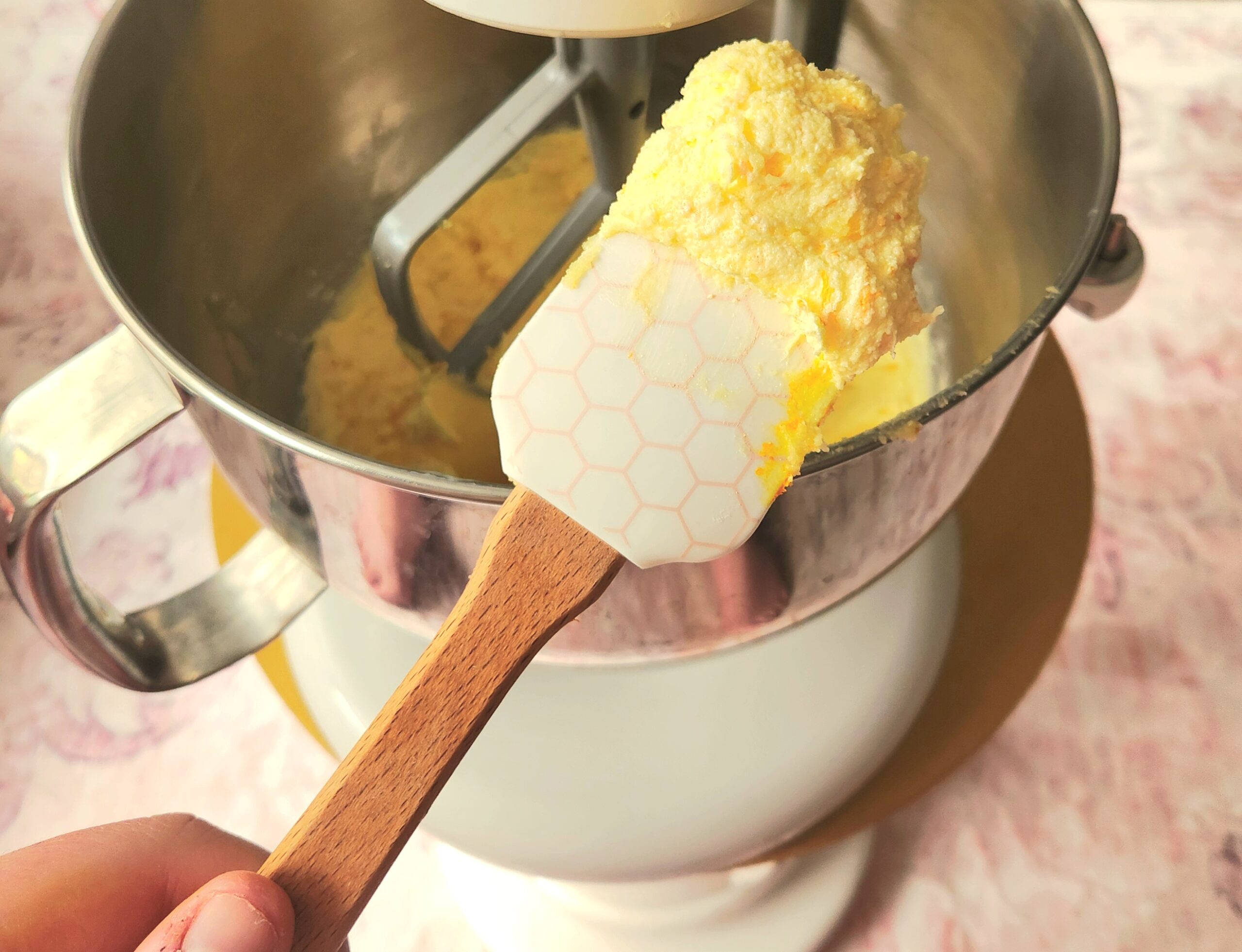
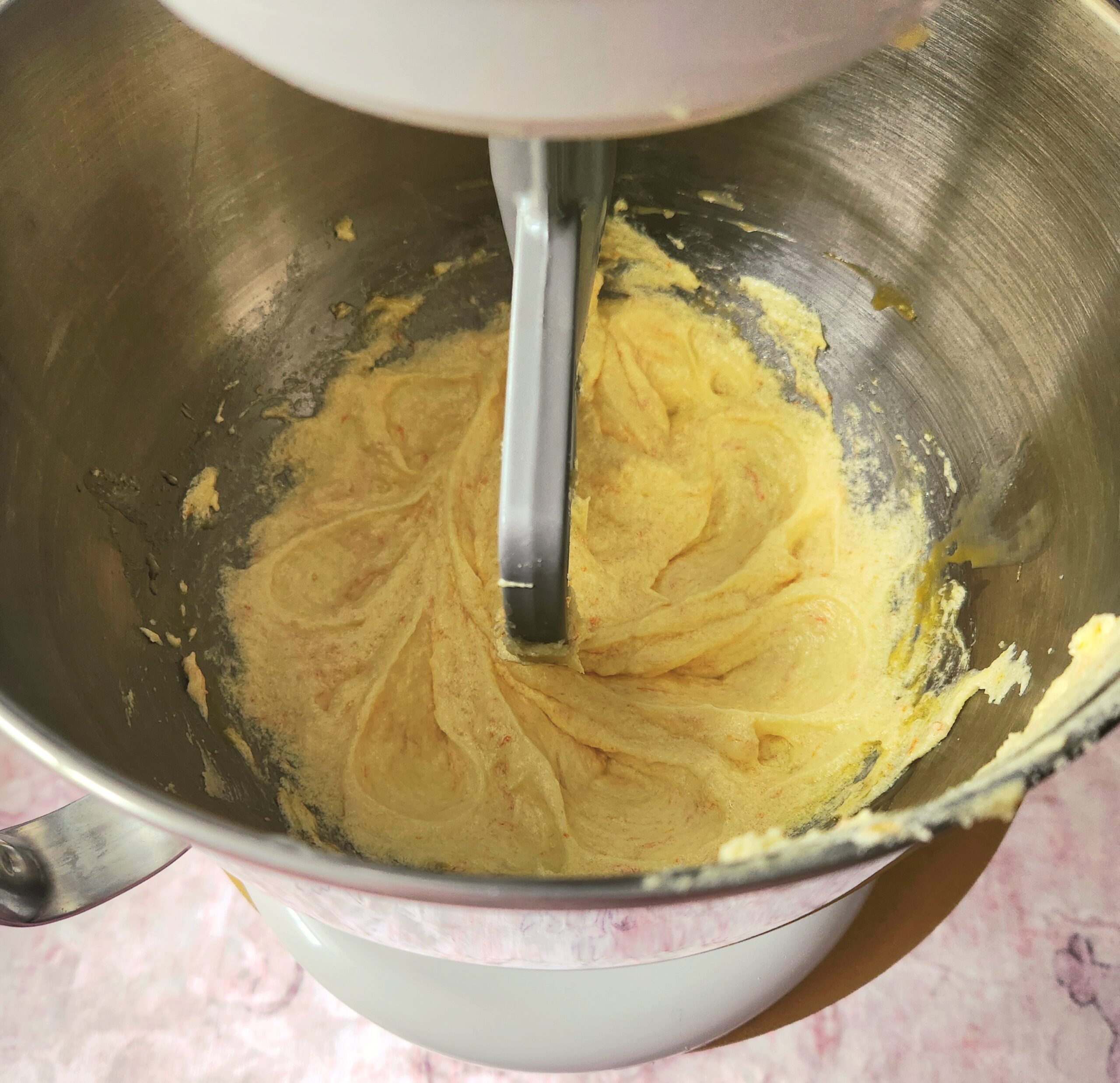
Add the eggs, one at a time, to the creamed butter-sugar mixture, making sure the previous egg has been fully absorbed before adding the next. Giving the batter time to absorb one egg at a time is better for the emulsion of the batter. Remember, baking is a science at its core! A delicious, edible science. Scrape down the sides of the bowl with a rubber spatula in between eggs, or as needed.
To the fresh squeezed clementine juice, add the yogurt (measured in a dry measuring cup) and whisk them together to make one homogeneous mixture. Set this aside.
Pour approximately ⅓ of the dry mixture into the stand mixer, continuing on with the paddle attachment. Mix on level one until the flour is almost completely absorbed, about 30 seconds. Keeping the mixer on level one, pour about ½ of the clementine-yogurt mix into the bowl and beat for another 30 seconds. Turn it off, and scrape down the sides of the bowl.
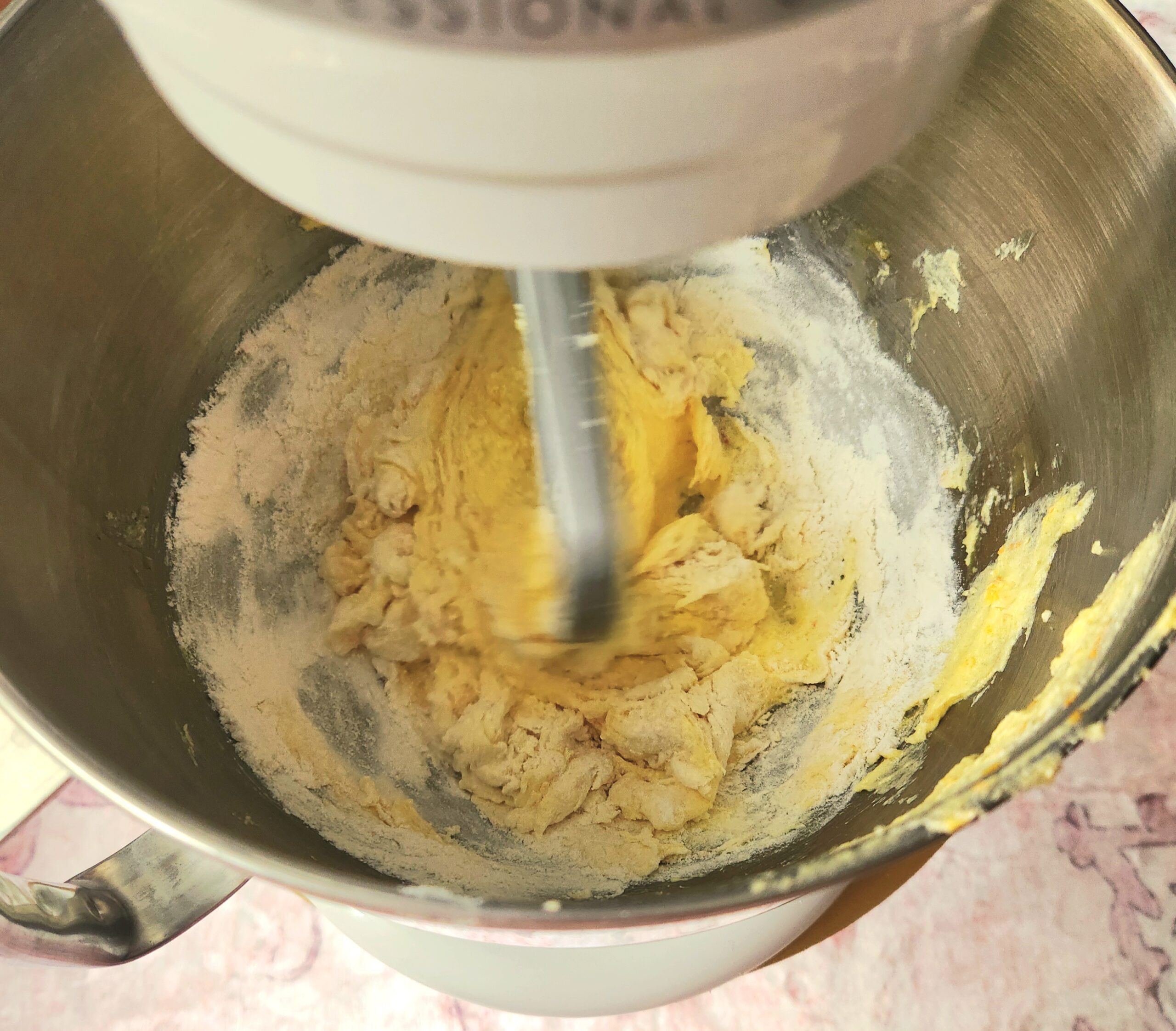
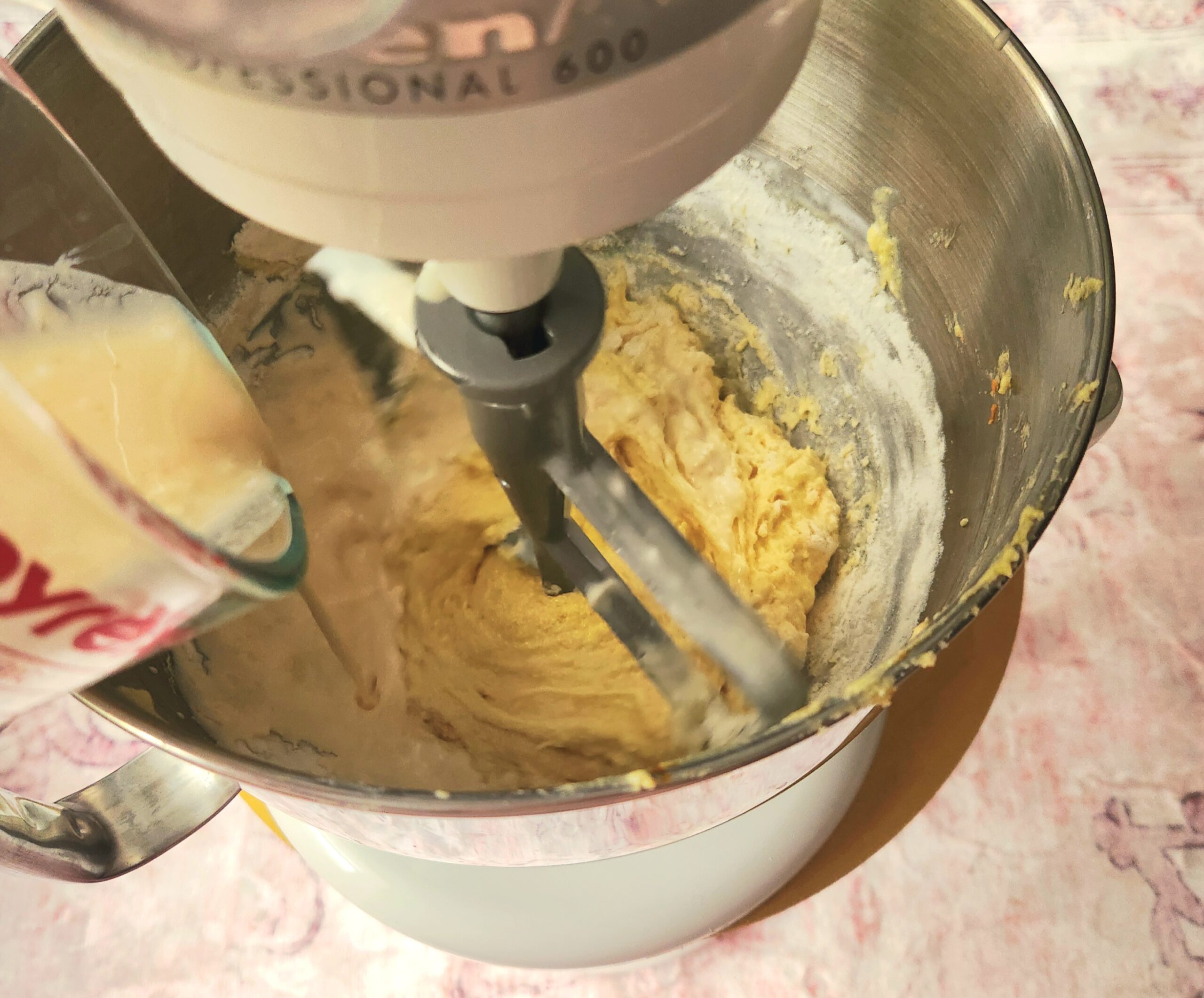
Keep alternating between ⅓ of the dry goods and ½ of the clementine-yogurt, beating on level one in 30 second increments and scraping the sides of the bowl in between. Just like with the eggs, the order in which you add the dry and liquid mixtures matters for the emulsion of the batter. You should both begin and end on the dry goods for the best results, otherwise the batter will appear curdled. Once the flour has been fully absorbed, give the bowl one more scrape down and beat it on level one for a final 30 seconds, for structural development.
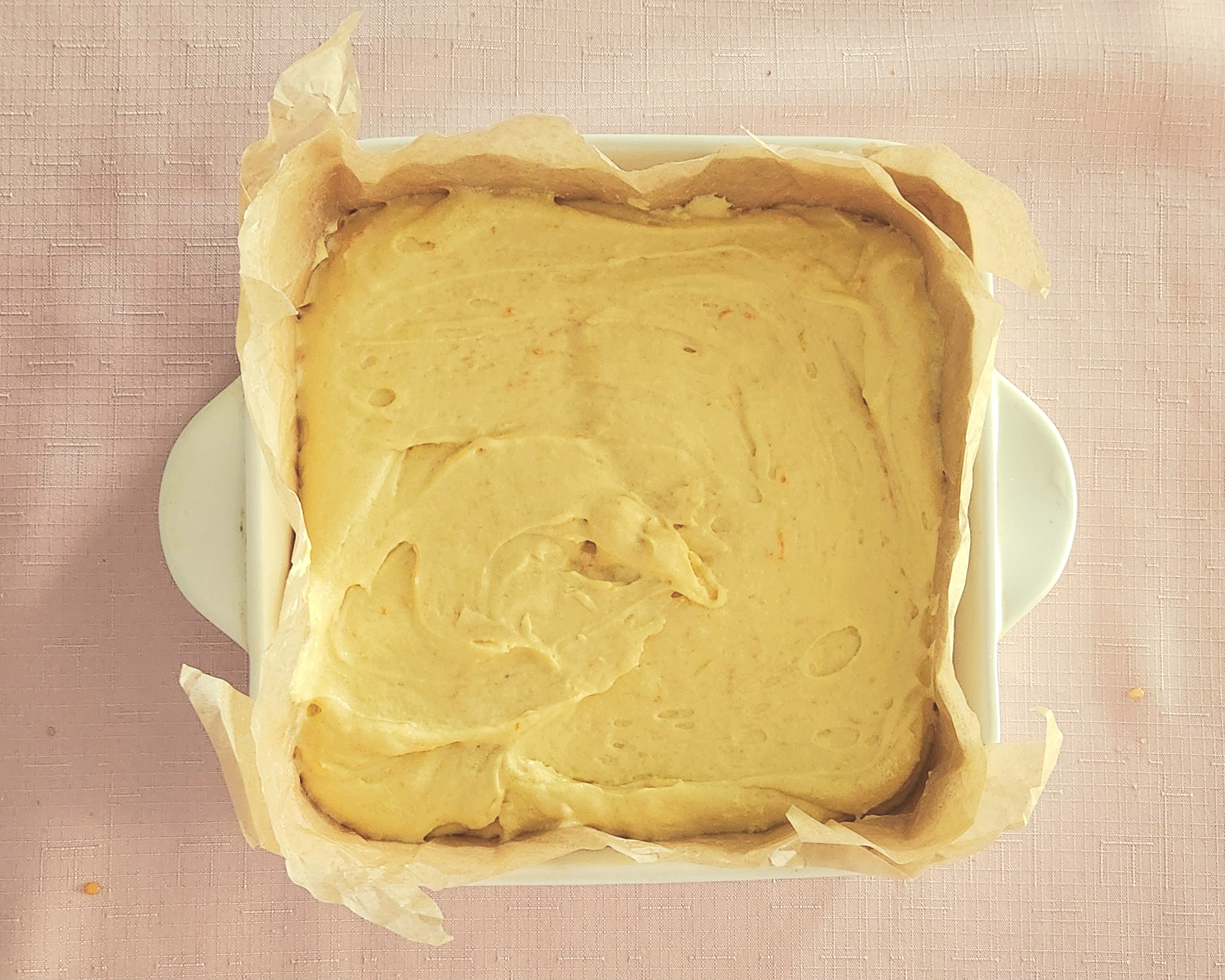
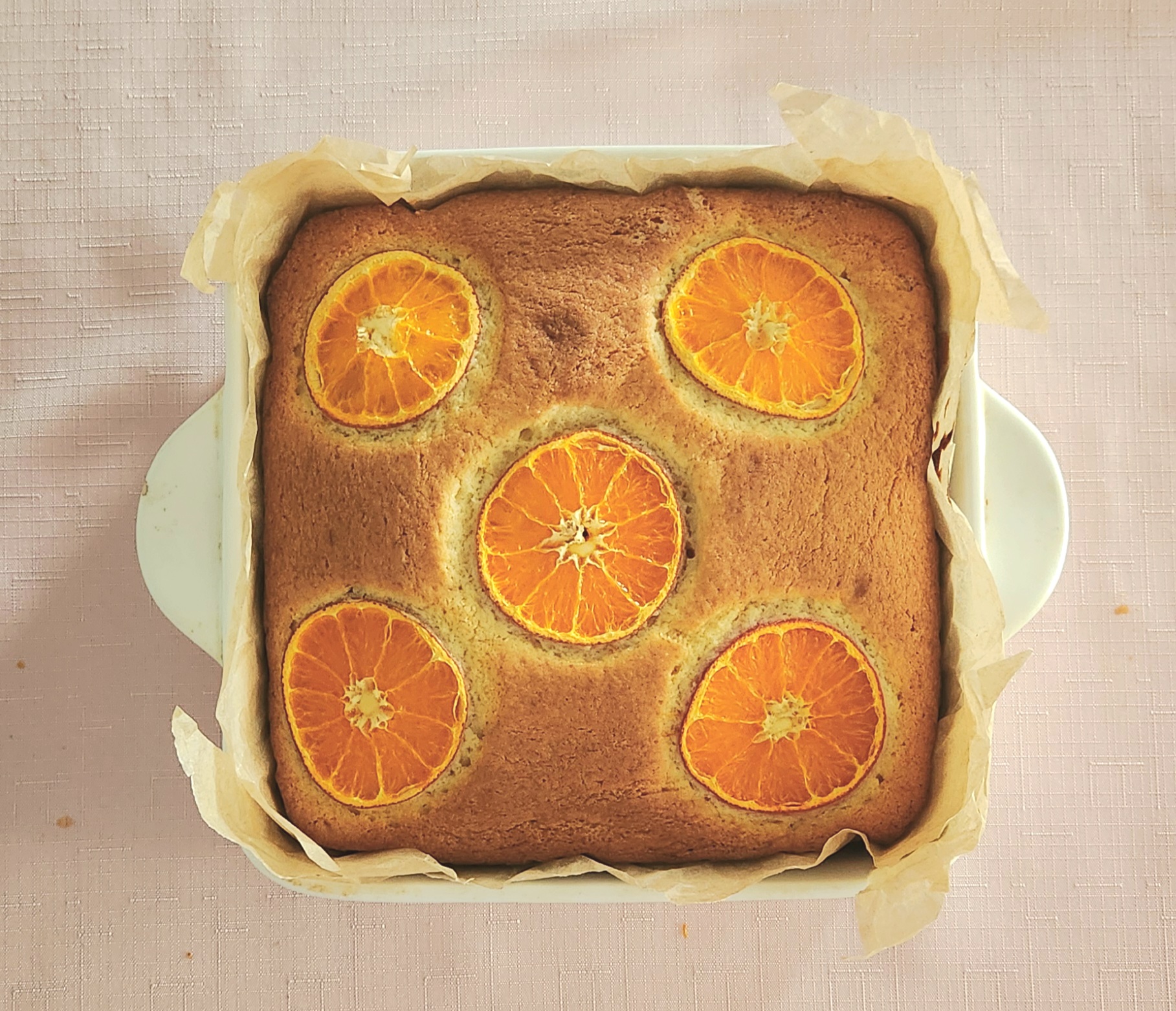
Pour the batter into the prepared baking dish, spreading it out evenly. Gently place slices of clementine on top of the batter, arranged how you like, and try not to press down on them. If you press down on the slices, the risk of them sinking into the cake as it bakes increases. That would defeat the purpose of having the beautiful garnish to begin with. Place the dish in the oven, and bake for 60-65 minutes, or until a toothpick poked in the center comes out clean, flipping halfway through baking.
Prepare the Simple Syrup
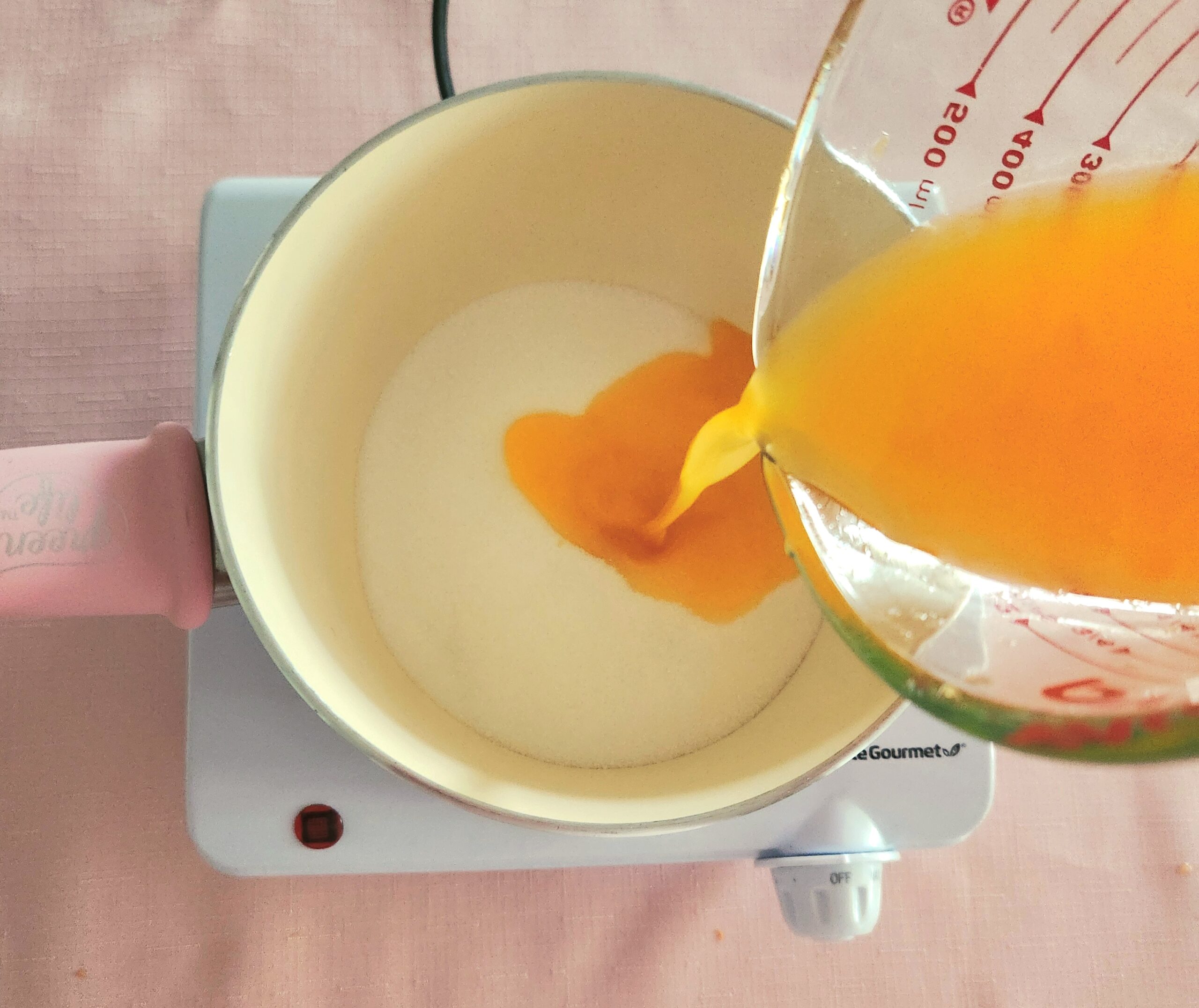
While the cake bakes, make the simple syrup. All simple syrup is, at its core, is 1:1 ratio of sugar and water that’s been boiled together, but you can substitute the water for another liquid as I did here for a different dimensional flavor! To a 1-2 quart saucepan, add the sugar. Squeeze fresh clementine juice into a liquid measuring cup until you hit ½ cup, then pour it into the saucepan with the sugar. Gently mix the two, to ensure all of the sugar is wet, and place it over medium high heat. Without stirring further, allow the mixture to come to a full boil then immediately remove it from the heat, covering with a lid. Set it aside to cool.

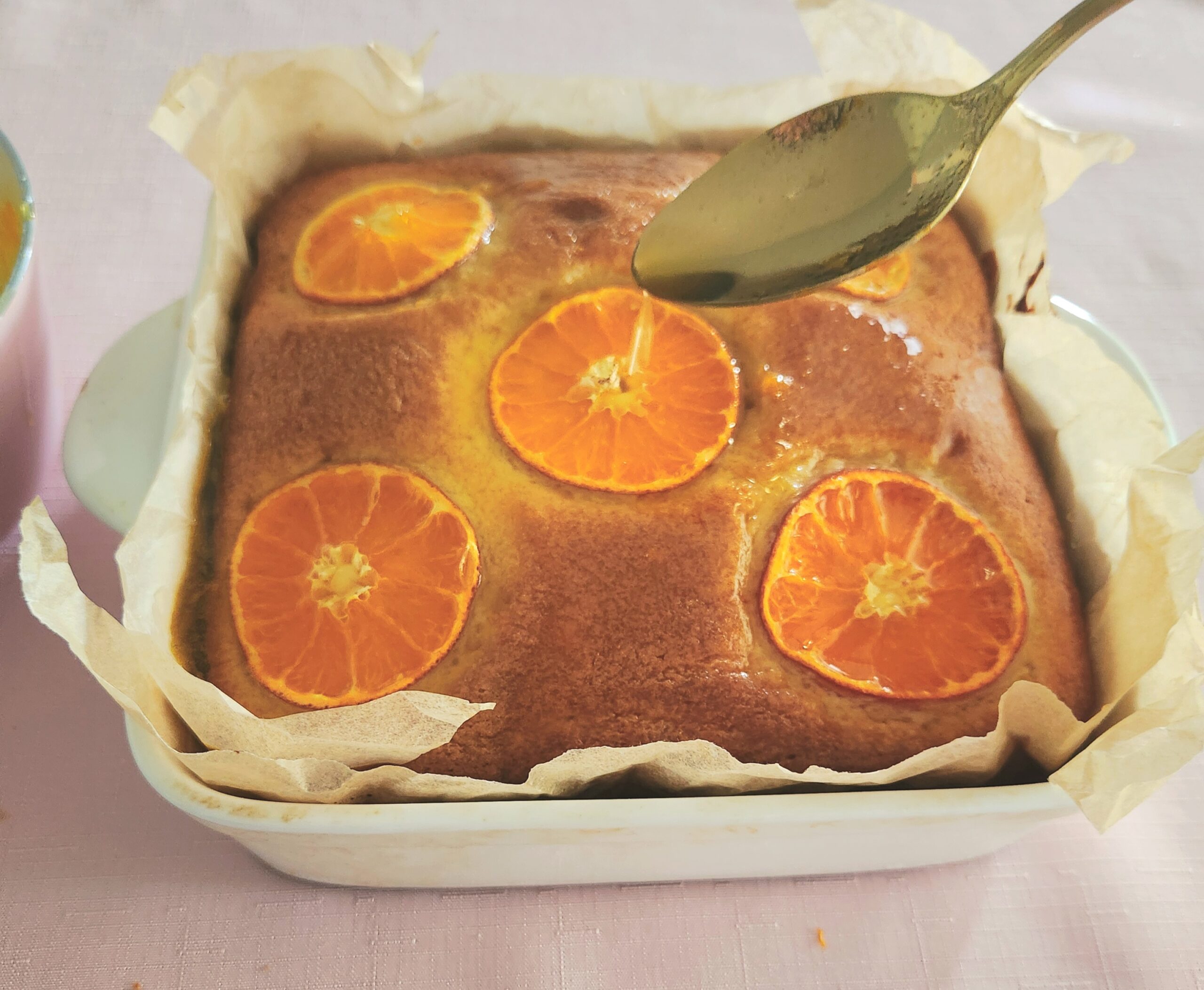
Once the cake has fully baked, leave it in the baking dish. After 20 minutes, pour the simple syrup evenly over the top, one large spoonful at a time. When all of the syrup has been added, keep the cake in the pan for an additional 20-30 minutes to absorb the syrup before transferring it from the dish to a cooling rack to finish coming down to room temperature.
Prepare the Glaze
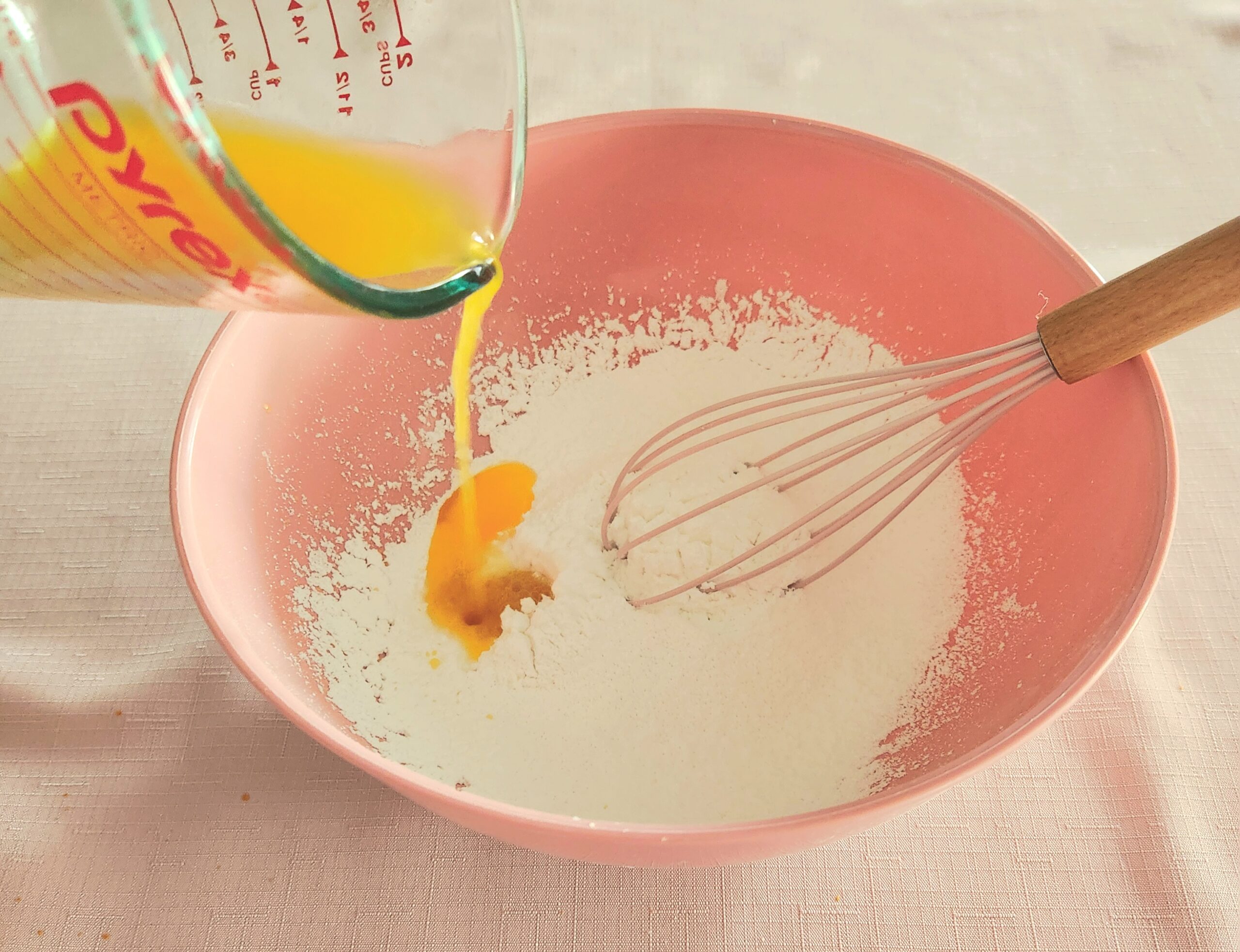
When the cake has fully cooled, prepare the glaze. In a small mixing bowl, sift the powdered sugar to get out any lumps. Squeeze ¼ cup of fresh clementine juice into a liquid measuring cup, then pour it along with a pinch of salt into the bowl of powdered sugar. Whisk them together, then immediately pour the glaze over the cake, taking care to cover as much surface of the cake as you can.

Once the glaze on the cake has dried, slice and enjoy! Keep it stored in an airtight container on the counter for up to 3 days.


Clementine Cake
Bake Time: 325F for 60-65 minutes
Servings: 9 Slices
Total Time: 1 hour 50 minutes
Prep Time: 45 Minutes
Ingredients
Batter:
- 1 cup granulated sugar
- Zest of 2 clementines
- 2 cups cake flour
- 2 teaspoons baking powder
- 1 teaspoon salt
- 8 Tablespoons unsalted butter, softened
- 2 large eggs, room temperature
- ½ cup full fat plain greek yogurt
- ½ cup clementine juice (approximately 4-5 clementines)
- 1 whole clementine, for top
Simple Syrup:
- ½ cup granulated sugar
- ½ cup clementine juice (approximately 4-5 clementines)
Glaze:
- 1 cup powdered sugar, sifted
- Pinch salt
- ¼ cup clementine juice (approximately 2 clementines)
Directions
- Begin with the cake batter. Preheat the oven to 325, on the convection setting if possible, and prepare an 8×8 baking dish. Line the bottom and up two sides of the dish with parchment paper, with enough to extend 1-2 inches above the top of the pan. Coat the two unlined sides with nonstick baking spray. In a small mixing bowl, whisk together the sugar and clementine zest, and allow that to sit for 5 minutes.
- While the clementine sugar sits, sift the flour into a medium mixing bowl. Add the baking powder and salt, and whisk them together. Set this bowl aside.
- Slice 4 clementines in half and, using a citrus reamer or citrus squeezer, squeeze fresh clementine juice into a liquid measuring cup until you reach ½ cup, then set this aside. If 4 isn’t enough, slice a 5th one and squeeze in enough juice to reach ½ cup.
- Slice 1 clementine into ⅛ inch discs, keeping the peel attached (see reference photo above). Shoot for at least 5 slices. Set these aside for the end.
- In the bowl of a stand mixer, using the paddle attachment, cream together the butter and clementine sugar on level 3. This should go from orange in color to pale yellow and very fluffy, taking about 3-4 minutes.
- Add the eggs, one at a time, to the creamed butter and sugar mixture, making sure the previous egg has been fully absorbed before adding the next. Scrape down the sides of the bowl with a rubber spatula in between eggs, or as needed.
- To the fresh squeezed clementine juice, add the yogurt (measured in a dry measuring cup) and whisk them together to make one smooth mixture. Set this aside.
- Pour approximately ⅓ of the dry mixture into the stand mixer, keeping the paddle attachment. Mix on level one until the flour is almost completely absorbed, about 30 seconds. Keeping the mixer on level one, pour about ½ of the clementine-yogurt mix into the bowl and beat for another 30 seconds. Turn it off, and scrape down the sides of the bowl.
- Keep alternating between ⅓ of the dry goods and ½ of the clementine-yogurt, beating on level one in 30 second increments and scraping the sides of the bowl in between. You should end on dry goods. Once the flour has been fully absorbed, give the bowl one more scrape down and beat it on level one for a final 30 seconds, for structural development.
- Pour the batter into the prepared baking dish, spreading it out evenly. Gently place slices of clementine on top of the batter, arranged how you like, and try not to press down on them. Place the dish in the oven, and bake for 60-65 minutes, or until a toothpick poked in the center comes out clean, flipping halfway through baking.
- While the cake bakes, make the simple syrup. To a 1-2 quart saucepan, add the sugar. Squeeze fresh clementine juice into a liquid measuring cup until you hit ½ cup, then pour it into the saucepan with the sugar. Gently mix the two, to ensure all of the sugar is wet, and place it over medium high heat. Without stirring further, allow the mixture to come to a full boil then immediately remove it from the heat, covering with a lid. Set it aside to cool.
- Once the cake is fully baked, leave it in the baking dish. After 20 minutes, pour the simple syrup evenly over the top, one large spoonful at a time (see reference photo above). When all of the syrup has been added, keep the cake in the pan for an additional 20-30 minutes to absorb the syrup before transferring it from the dish to a cooling rack to finish coming down to room temperature.
- When the cake has fully cooled, prepare the glaze. In a small mixing bowl, sift the powdered sugar. Squeeze ¼ cup of fresh clementine juice into a liquid measuring cup, then pour it along with a pinch of salt into the bowl of powdered sugar. Whisk them together, then immediately pour the glaze over the cake, taking care to cover as much surface of the cake as you can.
- Once the glaze on the cake has dried, slice it and enjoy! Keep it stored in an airtight container on the counter for up to 3 days.
Tips
- The Greek yogurt can be substituted with full fat sour cream if you’d prefer, or if that’s what you already have.
- Clementines can be substituted with mandarin oranges or tangerines, whichever citrus you have available to you.



0 Comments